If you’ve ever relied on a belt type wood chipper to turn storm-damaged trees into manageable wood chips for landscaping, biomass fuel, or construction site cleanup, you know these machines work hard. As a supplier who’s helped hundreds of operators—from small tree service teams to municipal maintenance crews—keep their chippers running week in and week out, I’ve seen firsthand how skipping routine maintenance turns minor issues into costly breakdowns. Last spring, a client in rural Ohio showed up to a job with a chipper that seized mid-job because he’d never checked his drive belt tension; he lost a full day of storm cleanup and paid twice as much for emergency repair than he would have for a quick maintenance check. That’s why today, I’m breaking down exactly what maintenance your belt type wood chipper needs, why it matters, and how to fit it into your busy schedule. Belt Type Wood Chipper
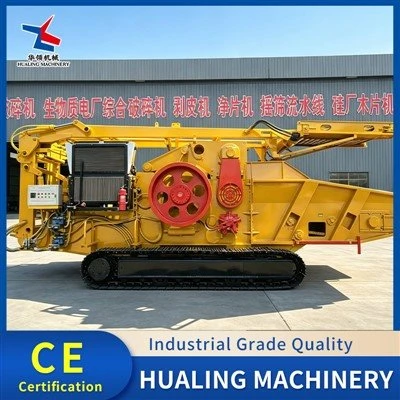
First, let’s start with the heart of your machine: the belt drive system. Belt type wood chippers get their name from that rubber, reinforced belt that transfers power from the engine or motor to the chipper’s cutting head, and this system is the most important part to maintain. A lot of operators don’t realize that belt wear doesn’t happen overnight—it builds up over time, but small signs can catch it early if you know what to look for. The first weekly check should be on belt tension. Too loose, and the belt slips; too tight, and it strains the bearings and the engine, leading to premature failure. A simple way to test tension is to push down on the midpoint of the belt between the two pulleys. You want about a half-inch of deflection for every foot of distance between the pulleys. If your chipper’s pulleys are 24 inches apart, for example, you should have about an inch of give. I always recommend using the manufacturer’s recommended tension spec too, because different chipper sizes use different belt types (we supply both V-belts and cogged belts, and each has a slightly different tension threshold).
Along with tension, inspect the belt itself every time you use the machine. Look for frayed edges, cracked rubber, glazing (that shiny, worn spot where the belt has slipped too much), or chunks missing from the surface. I had a client last summer who used a generic replacement belt that wasn’t rated for heavy-duty wood chipping, and it blew out mid-chop during a 10-hour job, scattering rubber debris all over his chip pile and damaging the chipper’s pulley. Always use OEM (original equipment manufacturer) belts when replacements are needed—we stock these for all the belt type wood chippers we sell, because generic belts just don’t hold up to the torque of wood chipping. Also, make sure the belt is aligned properly on the pulleys. If it’s running off-center, it will wear unevenly. You can check alignment by using a straight edge to line up the edge of one pulley with the edge of the other. If they’re not perfectly in line, adjust the motor or engine mount slightly until they are. Misalignment is a common hidden issue that shortens belt life by 50% or more.
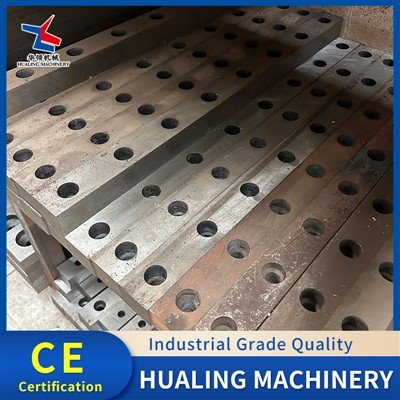
Next, the cutting mechanism—after all, the whole point of the chipper is to turn wood into chips, so dull or damaged blades will make your machine work harder and produce uneven, unusable chips. For belt type wood chippers, most use two or three swing blades mounted on the cutting disc. A good rule of thumb is to check blade sharpness every 8 to 10 hours of use, or after every job if you’re chipping thick, knotty wood (knots dull blades much faster than soft, clean branches). To check sharpness, you can take a file and gently run it along the edge—if it leaves a clean, sharp burr, the blade is good; if it leaves a dull, rolled edge, it’s time to sharpen. We recommend using a bench grinder or a professional sharpening service for best results, because you want to keep the blade angle consistent (usually around 30 to 35 degrees for chipper blades). If blades are chipped or bent, don’t try to sharpen them—replace them immediately, because a damaged blade will throw off balance on the cutting disc, causing excessive vibration that can damage bearings, belts, and even the chipper frame.
Once a month, you should remove the blades and balance them. An unbalanced blade causes the chipper to shake violently during operation, which isn’t just uncomfortable for the operator—it puts a huge amount of stress on the entire machine. To balance blades, mount them on a blade balancer (you can buy a cheap one at any equipment supply store) or set them on a sharp, level edge. If one side of the blade hangs lower than the other, it’s unbalanced. Either remove a small amount of material from the heavier end (be careful not to change the cutting edge angle) or replace the blade. Also, while you have the blades off, clean the cutting disc and remove any built-up sap or wood debris. Sap hardens over time and makes the cutting disc heavier, adding unnecessary strain to the belt and engine. A quick wipe with a scraper and a bit of solvent will prevent that buildup.
Moving on to bearings and lubrication—these are the unsung heroes of your belt type wood chipper, and they’re often neglected until they seize up. The chipper has multiple bearings: ones for the cutting disc, the pulleys, the engine shaft, and sometimes the feed rollers. All of these need regular lubrication to prevent wear. The frequency depends on how often you use the machine, but a general guide is to lubricate all grease fittings every 25 hours of use, or once a month if you use your chipper occasionally. Don’t over-grease, though—too much grease can trap dirt and moisture, leading to bearing contamination. The manufacturer’s manual will specify the type of grease to use (it’s usually a lithium-based grease for high-load applications) so stick to that; using the wrong grease can ruin bearings.
For the belt drive bearings (the ones that hold the pulleys), inspect them for play once a quarter. To test, turn off the machine and disconnect the spark plug, then grab the pulley and try to wiggle it back and forth. If there’s more than a tiny amount of play, the bearing is worn and needs to be replaced. Worn bearings cause excessive belt slip, vibration, and even pulley damage if left unaddressed. We often see clients try to ignore bearing play to save money, but a $20 bearing replacement is way cheaper than a $500 new pulley or a seized engine.
Feed rollers are another part that gets overlooked, but they’re critical for keeping wood moving through the chipper, and they connect to the belt drive system. Inspect feed rollers every time you use the machine. Look for rubber wear, grooves, or cracks in the rubber surface—if the rubber is smooth, it won’t grip wood properly, leading to kickbacks or jams. If the rollers are metal (some heavy-duty chippers have metal feed rollers), check for rust or burrs that can scratch wood or cause jams. Feed rollers also need lubrication; check the manual for the type and frequency, usually every 50 hours of use. If you notice that wood is getting stuck in the feed opening, the rollers might be out of alignment—adjust the mounting bolts until they’re level and turn smoothly.
Don’t forget the basic, often-forgotten maintenance checks that keep your machine running safely and smoothly. First, the air filter. The engine on your belt type wood chipper pulls in a lot of dust and wood debris while running, and a dirty air filter reduces engine power, increases fuel consumption, and can even damage engine parts. Check the air filter every 10 hours of use, and replace it or clean it (if it’s a foam or paper reusable filter) every 25 hours, or more often if you’re working in a very dusty environment. A clogged air filter can make the engine work so hard that it slips the belt, leading to premature belt wear.
The fuel and oil systems are also important. Check the engine oil level before every use—low oil is the number one cause of small engine failure. Use the oil type recommended by the engine manufacturer (usually SAE 30 for small gas engines) and change the oil every 50 hours of use, or at the start of each season if you store the chipper for months. For fuel, always use fresh fuel that’s less than 30 days old; old fuel can get stale and cause the engine to run rough, leading to belt slip and performance issues. If you store your chipper for more than a month, drain the fuel tank and run the engine until it dies to clear the carburetor—this prevents fuel varnish from clogging the carburetor.
Another key check is the chipper’s housing and safety features. Every few weeks, inspect the inner walls of the chipper housing for built-up wood chips or debris. This buildup can restrict airflow, cause jams, and even ignite if it gets too hot (a rare but serious risk with wood chippers). Use a stiff brush or scraper to remove any buildup, making sure the machine is turned off and the spark plug is disconnected first. Also, check all safety features: the emergency stop button should work every time you press it, the feed door should only open when the machine is locked, and the safety shields over the belt and pulleys should be in place and secure. We see way too many operators remove safety shields to make it easier to work on the chipper, but that’s a huge safety risk—and it can lead to unexpected damage to the belt drive system too, since debris can get caught in moving parts without shields.
Seasonal maintenance is just as important as regular, job-site checks. If you only use your belt type wood chipper for storm cleanup or seasonal landscaping work, you need to properly prepare it for storage, which extends its life by years. At the end of the season, after your last job, do a full deep clean: remove all wood debris from the chipper housing, cutting disc, feed rollers, and belt area. Inspect all belts, blades, and bearings for wear, and replace any parts that are damaged. Lubricate all grease fittings, the blades, and feed rollers thoroughly. Drain the fuel system or add a fuel stabilizer to keep fuel fresh. Store the chipper in a dry, covered area, off the ground if possible to prevent moisture from rusting bearings and frames. We’ve had customers who store their chipper outside covered with a tarp for years—their belts rust and crack, bearings seize, and the whole machine is unusable when they need it the next season. Taking a few hours for seasonal storage pays off big time.
I know when you’re running a busy crew, the last thing you want to do is spend hours on maintenance when you could be making money on a job. But here’s the truth: a well-maintained belt type wood chipper will last twice as long as a neglected one, and it will run more efficiently, using less fuel and producing better chips. We’ve seen chippers our company sold in 2010 still going strong because their owners did regular maintenance, while other chippers from the same era that skipped checks are already in a scrap yard. Maintenance isn’t a chore—it’s an investment in your machine, your crew’s time, and your bottom line.
If you’re in the market for a new belt type wood chipper, or you need replacement belts, blades, or parts to keep your current machine running, we’re here to help. We’ve been supplying wood chipping equipment to operators across the country for years, and our team can help you choose the right machine for your needs, plus provide honest advice on maintenance to keep it running smoothly. Contact us today to discuss your requirements, get a quote, or ask any questions about maintaining your belt type wood chipper.
Wood Hammer Mill References
- American Society of Agricultural and Biological Engineers. (2020). Safety Standards for Agricultural Wood Chippers. ASABE S356.1.
- Forest Equipment Manufacturers Association. (2019). Maintenance Guidelines for Belt-Driven Wood Chippers. FEMA Technical Bulletin 07.
- Small Engine Technology International. (2021). Common Failure Points in Wood Chipper Drive Systems. Vol. 15, No. 3, pp. 42-47.
- Occupational Safety and Health Administration. (2022). Powered Industrial Truck and Wood Chipper Safety. OSHA Publication 3670-17N.
Shandong Hualing Machine Manufacturing Co., Ltd.
As one of the most professional belt type wood chipper manufacturers and suppliers in China, we also support customized service with low price. Please rest assured to buy discount belt type wood chipper in stock here from our factory. If you have any enquiry about quotation, please feel free to email us.
Address: Industrial Park, Dagong Village, Changshan Town, Zouping City, Shandong Province
E-mail: hualing@sdhualing.com
WebSite: https://www.hualingmachine.com/
