As a supplier of multi – functional electric hoists, I understand the critical importance of efficiency in these devices. In various industrial and commercial applications, the efficiency of a multi – functional electric hoist can significantly impact operations, productivity, and ultimately, the bottom line. In this blog, I’ll share some key strategies and insights on how to improve the efficiency of a multi – functional electric hoist. Multi-functional Electric Hoist

1. Optimal Equipment Selection
The first step in improving the efficiency of a multi – functional electric hoist is to choose the right equipment for the job. Consider the following factors when selecting a hoist:
- Load Capacity: Ensure that the hoist’s load capacity matches the maximum weight you need to lift. An undersized hoist will struggle to lift heavy loads, leading to inefficiency and potential damage. On the other hand, an oversized hoist may be more expensive to operate and maintain.
- Lifting Height: Determine the maximum lifting height required for your application. Select a hoist with a lifting height that meets or exceeds this requirement to avoid unnecessary limitations.
- Speed Requirements: Different applications may require different lifting speeds. For tasks that involve frequent lifting and lowering, a higher – speed hoist may be more efficient. However, for precision – oriented tasks, a slower, more controlled speed may be necessary.
- Environmental Conditions: Consider the environment in which the hoist will operate. If the hoist will be used in a corrosive or dusty environment, choose a hoist with appropriate protection features, such as a sealed motor or a corrosion – resistant finish.
2. Regular Maintenance
Regular maintenance is essential for keeping a multi – functional electric hoist operating at peak efficiency. Here are some maintenance tips:
- Inspection: Conduct regular visual inspections of the hoist to check for signs of wear, damage, or loose components. Inspect the wire rope, hooks, brakes, and electrical connections. Look for frayed wires, cracked hooks, or any other visible issues.
- Lubrication: Proper lubrication of moving parts is crucial for reducing friction and wear. Follow the manufacturer’s recommendations for lubrication intervals and use the appropriate lubricants. Lubricate the gears, bearings, and other moving components to ensure smooth operation.
- Brake Adjustment: The brakes on an electric hoist are critical for safety and efficiency. Regularly check and adjust the brakes to ensure they are functioning properly. A poorly adjusted brake can cause the hoist to slip or fail to hold the load securely.
- Electrical System Check: Inspect the electrical system of the hoist to ensure all connections are tight and free of corrosion. Check the motor, control panel, and switches for any signs of damage or malfunction. A faulty electrical system can lead to reduced efficiency and potential safety hazards.
3. Operator Training
Well – trained operators are key to maximizing the efficiency of a multi – functional electric hoist. Provide comprehensive training to all operators on the following aspects:
- Operation Procedures: Teach operators the correct operating procedures for the hoist, including how to start, stop, lift, and lower the load safely. Emphasize the importance of following the manufacturer’s instructions and safety guidelines.
- Load Handling: Train operators on proper load handling techniques, such as how to center the load on the hook, how to avoid swinging the load, and how to use the hoist’s controls to achieve smooth and efficient lifting.
- Safety Precautions: Educate operators on all safety precautions associated with the hoist, such as wearing appropriate personal protective equipment (PPE), keeping clear of moving parts, and following lock – out/tag – out procedures when performing maintenance.
- Emergency Procedures: Ensure operators are familiar with the emergency procedures in case of a hoist malfunction or other emergency situation. Train them on how to stop the hoist quickly, how to release the load safely, and how to call for help.
4. Use of Advanced Technologies
Incorporating advanced technologies can significantly improve the efficiency of a multi – functional electric hoist. Here are some examples:
- Variable Frequency Drives (VFDs): VFDs allow for precise control of the hoist’s motor speed. This means that the hoist can be operated at the optimal speed for different loads and applications, reducing energy consumption and wear on the motor. For example, when lifting a light load, the hoist can operate at a higher speed, while for a heavy load, it can slow down to provide more power.
- Load Monitoring Systems: Load monitoring systems can provide real – time information about the weight of the load being lifted. This helps operators ensure that they are not overloading the hoist, which can lead to inefficiency and safety risks. Some load monitoring systems can also provide data on the hoist’s usage patterns, allowing for better maintenance planning.
- Remote Control and Automation: Remote control technology allows operators to control the hoist from a safe distance, improving safety and efficiency. Automation features, such as programmed lifting sequences, can also be used to streamline operations and reduce the need for manual intervention.
5. System Integration
Integrating the multi – functional electric hoist into a larger system can improve overall efficiency. Here are some ways to achieve system integration:
- Material Handling Systems: Connect the hoist to other material handling equipment, such as conveyors, trolleys, or cranes. This allows for seamless transfer of materials between different stages of the production process, reducing downtime and increasing productivity.
- Inventory Management Systems: Link the hoist’s operation to an inventory management system. This can help track the movement of materials and ensure that the right materials are in the right place at the right time. For example, the system can automatically trigger the hoist to move a particular item when its inventory level reaches a certain point.
- Production Planning Systems: Integrate the hoist with the production planning system. This enables the hoist to be scheduled based on the production requirements, ensuring that it is used efficiently and that production bottlenecks are minimized.
6. Energy Management
Efficient energy management can not only reduce operating costs but also contribute to the overall efficiency of the multi – functional electric hoist. Here are some energy – saving tips:
- Energy – Efficient Motors: Choose a hoist with an energy – efficient motor. High – efficiency motors consume less electricity while providing the same or better performance as standard motors.
- Idle Shutdown: Implement an idle shutdown feature on the hoist. This automatically turns off the hoist when it has been idle for a certain period of time, reducing energy waste.
- Power Factor Correction: Use power factor correction devices to improve the power factor of the hoist’s electrical system. A higher power factor means that the hoist uses electricity more efficiently, reducing the overall energy consumption.
7. Continuous Improvement
Finally, continuous improvement is essential for maintaining and enhancing the efficiency of a multi – functional electric hoist. Regularly review the hoist’s performance and look for opportunities to make improvements. Collect feedback from operators, maintenance personnel, and other stakeholders to identify areas for enhancement. Implement changes based on this feedback and monitor the results to ensure that the efficiency of the hoist is improving over time.
In conclusion, improving the efficiency of a multi – functional electric hoist requires a comprehensive approach that includes optimal equipment selection, regular maintenance, operator training, use of advanced technologies, system integration, energy management, and continuous improvement. By implementing these strategies, you can ensure that your hoist operates at peak efficiency, reducing costs, increasing productivity, and enhancing safety.
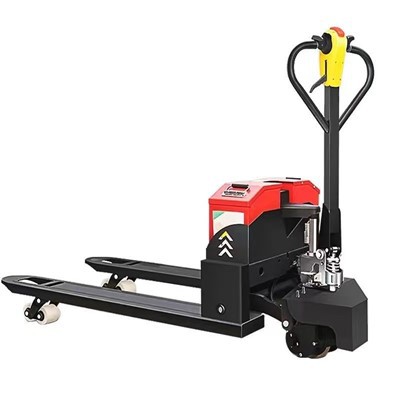
If you are interested in learning more about our high – quality multi – functional electric hoists or would like to discuss your specific requirements, we invite you to contact us for purchasing and negotiation. We are committed to providing you with the best products and services to meet your needs.
Pallet Handling Vehicle References
- Crane and Hoist Handbook
- Industrial Equipment Maintenance Best Practices
Hebei Hengtai Crane Machinery Manufacturing Co., Ltd.
As one of the leading multi-functional electric hoist manufacturers in China, we warmly welcome you to buy bulk discount multi-functional electric hoist in stock here from our factory. All customized products are with high quality and low price. For more cheap products, contact us now.
Address: Weigezhuang Village, Donglu Township, Qingyuan District, Baoding City, Hebei Province
E-mail: hbht@cnhengtai.com
WebSite: https://www.cnhengtai.com/
