Hey there, folks! As a supplier of turbine diaphragms, I’ve seen firsthand the ins and outs of what makes these components tick, especially when it comes to the environmental conditions they operate in. Let’s dive into the environmental requirements for turbine diaphragm operation and why they’re super important. Turbine Diaphragm

Temperature
First up, temperature is a biggie. Turbine diaphragms work in some seriously hot spots. In a steam turbine, for example, the steam can be at extremely high temperatures – we’re talking hundreds of degrees Celsius. The diaphragm has to be able to handle these high temps without warping or losing its structural integrity.
High – temperature materials are a must. We usually use alloys that are specifically designed to resist thermal expansion and degradation. For instance, some nickel – based alloys are great because they have a high melting point and can maintain their strength at high temperatures. But it’s not just about withstanding the heat; the diaphragm also needs to transfer heat efficiently. If the heat builds up in certain areas, it can cause uneven expansion, which may lead to cracks and other mechanical problems.
On the other hand, cold environments also pose challenges. In some power plants located in cold regions, the start – up process can be affected by low temperatures. The materials may become more brittle, and there could be issues with thermal shock if the turbine is started up too quickly. So, pre – heating and proper insulation are often necessary to ensure a smooth start – up and operation in cold conditions.
Pressure
Pressure is another key factor. Turbine diaphragms are subjected to high pressure differentials across them. In a steam turbine, the high – pressure steam on one side and the lower – pressure steam on the other side create a force that the diaphragm must withstand.
The design of the diaphragm has to be carefully engineered to handle these pressure differences. The thickness of the diaphragm, the shape of its vanes, and the way it’s attached to the turbine casing all play a role in its ability to resist pressure. If the diaphragm can’t handle the pressure, it can deform, which can lead to steam leakage and a decrease in turbine efficiency.
Moreover, pressure fluctuations are also a concern. During start – up, shut – down, or load changes, the pressure inside the turbine can change rapidly. The diaphragm needs to be able to adapt to these changes without failing. We use advanced simulation techniques to test how the diaphragm will perform under different pressure scenarios and make sure it’s up to the task.
Humidity and Moisture
Humidity and moisture can have a significant impact on turbine diaphragm operation. In steam turbines, the steam is often wet, especially in the low – pressure stages. This moisture can cause erosion and corrosion on the diaphragm surfaces.
Erosion occurs when the high – velocity water droplets in the steam hit the diaphragm vanes. Over time, this can wear down the material, reducing the efficiency of the turbine and potentially leading to mechanical failures. To combat erosion, we can apply special coatings to the diaphragm surfaces. These coatings are designed to be hard and resistant to the impact of water droplets.
Corrosion is another issue, especially in the presence of oxygen and other chemical contaminants in the steam. Moisture can create a conducive environment for rust and other forms of corrosion. To prevent this, we need to control the quality of the steam. This may involve using water treatment systems to remove impurities and adding chemicals to inhibit corrosion.
Contaminants
Contaminants in the working fluid can also cause problems for turbine diaphragms. In a gas turbine, for example, the intake air can contain dust, sand, and other particles. These particles can get stuck on the diaphragm surfaces, causing fouling.
Fouling reduces the efficiency of the turbine by disrupting the flow of the working fluid. It can also increase the temperature of the diaphragm in certain areas, leading to thermal stress. To deal with this, we often use air filters to remove large particles from the intake air. However, smaller particles may still get through, so regular maintenance and cleaning of the diaphragm are necessary.
In addition to solid particles, chemical contaminants can also be a problem. For example, sulfur compounds in the fuel of a gas turbine can react with the diaphragm materials, causing corrosion. We need to carefully select the fuel and use emission control systems to minimize the presence of these contaminants.
Vibration and Noise
Turbine diaphragms are also affected by vibration and noise during operation. Vibration can be caused by unbalanced rotating components, uneven steam or gas flow, and mechanical resonances within the turbine.
Excessive vibration can lead to fatigue failure of the diaphragm. The constant movement can cause cracks to form in the material, especially at stress – concentration points. To reduce vibration, we use vibration dampers and carefully balance the rotating parts of the turbine.
Noise is not just an annoyance; it can also be an indication of problems within the turbine. High – pitched noises may suggest issues with the steam or gas flow, while low – frequency rumbling may be related to mechanical problems. Monitoring the noise levels can help us detect early signs of trouble and take appropriate action.
Impact on Turbine Efficiency
All these environmental factors have a direct impact on the efficiency of the turbine. If the diaphragm can’t operate under the given environmental conditions, the turbine will not perform at its best.
For example, if the diaphragm warps due to high temperatures, the steam or gas flow will be disrupted, leading to a decrease in energy conversion efficiency. Similarly, erosion and corrosion can reduce the effectiveness of the diaphragm vanes, causing the turbine to consume more fuel or steam to produce the same amount of power.
As a supplier, we understand the importance of providing turbine diaphragms that can meet the specific environmental requirements of each application. We work closely with our customers to analyze their operating conditions and design diaphragms that are optimized for their unique needs.
Why Choose Our Turbine Diaphragms
Our company has years of experience in manufacturing turbine diaphragms. We use the latest technologies and materials to ensure that our diaphragms can withstand the toughest environmental conditions.
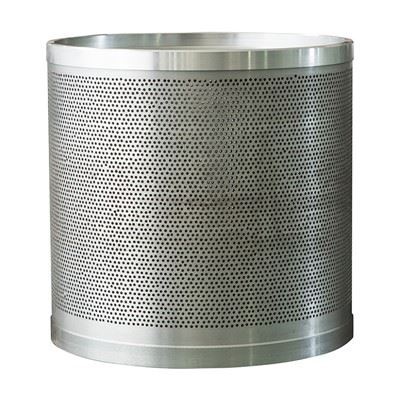
We have a team of experts who are constantly researching and developing new solutions to improve the performance and durability of our products. Whether it’s dealing with high – temperature or high – pressure environments, corrosion – prone conditions, or fouling issues, we’ve got you covered.
Turbine Diaphragm If you’re in the market for turbine diaphragms, we’d love to have a chat with you. We can discuss your specific requirements, offer customized solutions, and provide you with top – quality products. Contact us today to start a conversation about how our turbine diaphragms can meet your needs and enhance the performance of your turbines. Let’s work together to make your turbine operation more efficient and reliable!
References
- S. L. Dixon, “Fluid Mechanics and Thermodynamics of Turbomachinery”.
- Gas Turbine Association Technical Papers.
- Steam Turbine Design and Operation Handbooks.
Hebei Guoyuan Electric Co., Ltd.
With abundant experience, we are one of the most professional turbine diaphragm manufacturers in China. We warmly welcome you to buy discount turbine diaphragm for sale here and get pricelist from our factory. Quality products and low price are available.
Address: No. 18 Tianshan Science and Technology Industrial Park, No. 319 Xiangjiang Road, Shijiazhuang High-tech Zone, Hebei Province, China
E-mail: turbine@goineep.com
WebSite: https://www.goineep.com/
