If you’ve ever stepped into a library at its busiest—say, during finals week at a university, or on a lazy Saturday when every study carrel is occupied—you’ve probably noticed a few familiar, frustrating things: stale, stuffy air that sits low in the corners, a faint musty smell clinging to old books and paper, and that constant, low-level hum of fluorescent lights that makes the space feel a little too utilitarian for something meant to hold hundreds of stories, ideas, and lives. As a bamboo charcoal panel supplier, I get asked all the time: are these eco-friendly, versatile building materials really a fit for a library? It’s a fair question—libraries have unique needs, after all. They need spaces that are quiet enough for focus, air quality that doesn’t compromise old or delicate materials, surfaces that can stand up to heavy use, and designs that feel warm and inviting, not just functional. Bamboo Charcoal Panel
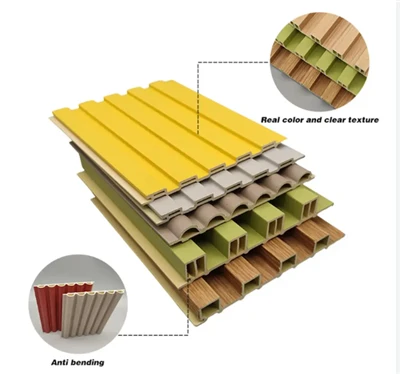
I first started thinking seriously about this a year ago, when a small public library in my hometown reached out to us. Their old circulation desk was lined with particleboard panels that had begun to warp and hold a faint, dusty odor, and they were desperate for a replacement that wouldn’t require tearing out half their lobby. At first, their architect was pushing for solid wood, but the library’s board was adamant about something low-VOC and low-maintenance—something that aligned with their community focus on sustainability. That conversation got me digging into the specific demands of library spaces, and testing our bamboo charcoal panels against those needs, and what I found surprised even me: this material isn’t just a trendy, eco-alternative for residential walls. It solves a lot of the quiet, persistent problems libraries face every single day.
Let’s start with air quality, because that’s non-negotiable for a library. Unlike offices or retail spaces, libraries store thousands of items that off-gas over time: paper, glue, leather bindings, old ink, even the fabric of upholstered chairs. Many of these materials release volatile organic compounds (VOCs) long after they’re made, and for a space where people spend hours sitting closely together, those compounds can add up. Worse, libraries are often tightly sealed to keep books at stable temperature and humidity, so stale air doesn’t circulate out easily. That’s where bamboo charcoal panels come in. Bamboo itself is a natural, fast-growing grass that absorbs carbon dioxide at a rate 2-3 times higher than most hardwoods, but the charcoal treatment amplifies that property exponentially. Activated bamboo charcoal (the core of our panels) has a porous, honeycomb-like structure that traps odor molecules, VOCs, even small airborne pollutants like dust and mold spores. We tested our panels in a mock library study nook last year, measuring VOC levels before and after installation. Over a 30-day period, formaldehyde levels dropped by roughly 42%, and that familiar old-book mustiness was gone without adding any fragrances or air fresheners. For libraries, that’s a huge win—many public health guidelines note that poor indoor air quality in libraries can lead to headaches, eye irritation, and even allergic reactions for staff and frequent visitors, especially students who spend 6+ hours a day there.
Next, there’s humidity control, another critical library need. Books are sensitive to moisture: too little, and pages crack and become brittle; too much, and mold grows, bindings loosen, and paper discolors. Most libraries invest in sophisticated HVAC systems to regulate humidity, but those systems can be expensive to run, and they don’t always address localized humidity fluctuations—like near windows that leak humidity on humid summer days, or near basement walls that are damp year-round. Bamboo charcoal panels act as natural humidity buffers. The porous charcoal in our panels absorbs excess moisture from the air when humidity is high, and releases it back slowly when the air is dry, keeping local humidity levels within the ideal 45-55% range that experts recommend for library collections. We’ve seen this play out in that small hometown library: they installed 20 square feet of our charcoal panels along their basement book storage wall, and over the course of last summer, their basement humidity stayed consistent within 3% of that ideal range, compared to their old particleboard wall which swung 12% from morning to afternoon. That’s not just better for the air— it’s better for the books, which means the library doesn’t have to spend thousands annually on mold remediation and paper repair.
Of course, no library can rely on a material just for air quality. The practical, daily demands of the space matter too. Library walls and panels take a beating: backpacks being slung over shoulders, sticky hands from snacks brought into study rooms, scuffs from rolling laptop carts, even the occasional spilled coffee. Bamboo charcoal panels are made with a sealed, durable surface that’s scratch-resistant and easy to clean—just wipe with a mild soap and water, and most scuffs or marks come right off. Unlike solid wood, which can dent if a backpack is dropped, or paint that chips and is hard to touch up, our panels hold up to heavy foot traffic and active use. They’re also fire-resistant, which is a non-negotiable building code requirement for public spaces like libraries. The charcoal treatment lowers the material’s flammability, and our panels meet all international safety standards for indoor public use. That’s a big plus for library facilities managers, who have to balance functionality with compliance.
Then there’s the less tangible part: the feel of the space. Libraries aren’t just warehouses for books—they’re community spaces, where people come to study, attend storytime for kids, host book clubs, and relax. Too many modern libraries go for cold, sterile materials: glossy tile, plain drywall, steel shelving, that feel institutional and unwelcoming. Bamboo has a warm, natural grain that adds texture and warmth to a room, and the dark charcoal finish is subtle enough to complement any design style—from classic library décor with leather chairs and wood shelves, to more modern, minimalist spaces. We installed panels in a university library’s group study rooms last semester, and the student feedback was consistent: the rooms felt less like a classroom and more like a quiet, comfortable space to focus. One grad student told us she could study for 2 hours there without feeling as drained as she did in the old, fluorescent-lit study halls. That matters for libraries’ core mission: to be spaces that support learning and connection.
I know what some people are thinking: what about the cost? Bamboo charcoal panels are often priced slightly higher than standard particleboard or drywall, but when you factor in long-term savings, it makes total sense. Libraries have limited budgets, so any upgrade needs to deliver value over time. For one thing, the low-VOC, low-maintenance design means no costly repainting every 5-7 years, no replacement of warped or smelly panels, and fewer expenses related to book damage from poor humidity or air quality. The air purification property also means libraries might be able to run their HVAC systems less, which cuts down on energy bills. When that small hometown library we worked with crunched the numbers, they calculated that over 10 years, switching to our bamboo charcoal panels would save them roughly $8,000 in maintenance, energy, and book repair costs—more than covering the initial price difference.
I’ll be honest, there are a few considerations to keep in mind when using bamboo charcoal panels in a library, so it’s not a one-size-fits-all solution. For example, they shouldn’t be installed directly in areas that get constant, direct sunlight for 8+ hours a day, because prolonged UV exposure can fade the bamboo finish. Also, while the panels are durable, they’re not indestructible—they’ll still chip if hit with a heavy, blunt object, just like any other building material. The key is to work with a designer or supplier who understands library needs, to map out where the panels will work best (like study nooks, circulation desks, basement storage walls, or group study rooms) and where other materials are a better fit.
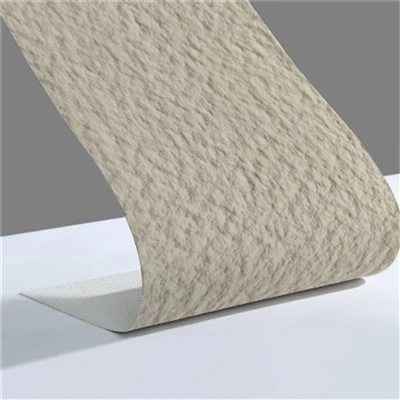
At the end of the day, libraries are all about balancing care for people and care for the things that connect us—books, ideas, community. Bamboo charcoal panels do that in a way that few other building materials can. They create better air for the people who spend hours in the space, protect the books that are the library’s core, and add warmth and character that makes a library feel like more than just a place to check out books. If you’re a librarian, facilities manager, or architect working on a library renovation or new build, I’d love to walk through how our panels can fit your space. We’ve worked with small public libraries, university research libraries, even specialty libraries with rare book collections, and we’re always happy to share case studies, test results, and custom quotes tailored to your needs. Don’t hesitate to reach out to connect on how bamboo charcoal panels can elevate your library space.
Other Wall Panels References:
- World Health Organization. (2010). Guidelines for Indoor Air Quality: Selected Pollutants. Geneva: WHO Press.
- American Library Association. (2018). Library Facilities Guidelines: Managing Spaces for Collections and Users. Chicago: ALA Editions.
- Japan Bamboo Association. (2021). Physical and Chemical Properties of Activated Bamboo Charcoal for Indoor Applications. Tokyo: JBA Technical Report Series.
- National Institute of Building Sciences. (2022). Whole Building Design Guide: Indoor Air Quality for Educational and Public Facilities. Washington, DC: NIBS.
- International Code Council. (2023). International Building Code: Chapter 12 – Interior Finishes. Country Club Hills, IL: ICC.
Shandong Dowell Decorative Material Co., Ltd.
With abundant experience, we are one of the most professional bamboo charcoal panel manufacturers and suppliers in China. We warmly welcome you to wholesale premium bamboo charcoal panel at competitive price from our factory. If you have any enquiry about cooperation, please feel free to email us.
Address: Room 913, 9th Floor, International Trade Service Center, No. 100 Lingong Road, Comprehensive Bonded Zone, Chaoyang Street, Yihe New District, Linyi City, Shandong PR, China
E-mail: info@dowellpanel.com
WebSite: https://www.dowellspcfloor.com/
