If you’ve got a gas furnace, water heater, or commercial boiler, odds are you’ve got an aluminized steel burner powering that whole setup. I’ve been selling these burners for over 12 years, and one thing I’ve learned is that most folks don’t pay attention to their burner until it’s already broken. That’s why I wanted to put together a no-BS list of the signs your aluminized steel burner is acting up—no confusing jargon, just real stuff I see every day working with homeowners and contractors alike. Aluminized Steel Burner
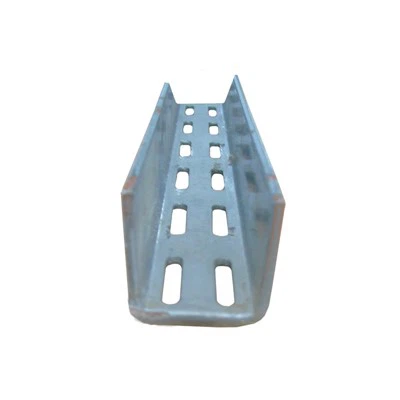
First off, let’s keep this real: aluminized steel is dope because it’s way more rust-resistant than plain steel, it handles heat better than regular steel, and it’s way cheaper than stainless steel. But it’s not invincible. It’s got that aluminum coating that protects the steel underneath, and when that coating starts peeling, chipping, or wearing thin, you’re gonna have problems. I’ve seen burners last 15 years without a single issue, and I’ve seen ones crap out in 5 years because of bad venting or cheap installation. So let’s get into the red flags.
The first big one I always notice is uneven, lazy flames. If your burner’s flames are all yellow and wobbly instead of bright blue and crisp, that’s a problem. I’m not talking about a tiny edge of yellow—this is like half the flame is yellow, or it’s floating off the burner ports instead of sitting tight. When aluminized steel starts malfunctioning, the ports (those little holes that let gas mix with air) get gunked up with carbon, or the heat starts warping the steel a little, so the gas-air mix gets all messed up. A few years back, I had a contractor hit me up saying their install’s flames were yellow and his customer’s gas bill was through the roof. We sent a replacement burner, and turns out the old one’s ports were clogged with carbon from a faulty air filter. By the way, that’s usually a quick fix, but if the flame’s been yellow long enough, you might’ve already damaged the heat exchanger, too.
Next up is weird smells. If you’re noticing a weird, acrid burning smell when your burner kicks on, that’s not normal. I’m not talking about the faint “new furnace smell” you get the first time you fire it up in the fall—that goes away after a few minutes. This is a sharp, chemical-like smell that lingers for 10+ minutes every time the burner runs. Here’s why that happens: when the aluminum coating on your burner starts breaking down, it reacts with the high heat from the burning gas. That reaction gives off that acrid odor. Sometimes it mixes with dust that’s built up on the burner over time, so it smells extra funky. I had a homeowner last month call me panicking saying their house smelled like burnt plastic. Turned out their burner’s aluminum coating was peeling, and the heat was hitting the bare steel underneath, plus there was old dust and lint stuck on it. We got a new burner out to them, and the smell was gone by the next day. Another smell to watch for is a rotten egg-like smell—wait, no, that’s usually a gas leak, so if you smell that, turn off the gas and call a pro immediately. Don’t sleep on that one.
Third sign: weird noises. Furnaces and burners aren’t supposed to make racket. If you’re hearing popping, cracking, or hissing when the burner runs, that’s a malfunction. Popping and cracking usually happens because of something called thermal expansion. When a burner’s aluminized steel is warped or has a weak spot from heat, it expands and contracts unevenly every time it turns on and off. The cracking sound is that metal moving. Hissing, on the other hand, is usually gas escaping through ports that are clogged or damaged. I had a guy a couple years ago say his furnace was popping so loud it was scaring his dog. We went out (wait, no, I sell burners, so I told him to call a local pro first) and turns out his burner was warped from being installed too close to the flue pipe, so the heat wasn’t dissipating right. His old burner was 8 years old, way past its prime, so we sold him a new aluminized steel one that fixed the noise. Another noise to watch for is rumbling—like a deep, growling noise when the burner fires up. That’s called “delayed ignition,” and it’s super bad because unburned gas builds up and ignites all at once, which can damage the burner or even cause a safety issue. If you hear rumbling, shut the furnace off and call a pro stat.
Fourth sign: higher energy bills for no reason. Let’s be real, everyone’s trying to save a buck on utilities these days. If your gas bill went up 20-30% over the last year, and you didn’t use more heat, and you didn’t change your habits, your burner might be the culprit. When an aluminized steel burner is malfunctioning, it doesn’t burn gas efficiently. The lazy yellow flames I talked about earlier don’t burn gas all the way, so you’re wasting fuel. Also, if the burner is warped or has a build-up of soot on it, less heat gets transferred to the air or water your system is heating, so you have to run the burner longer to get the same result. Last winter, I had a repeat customer who spent $150 more a month on gas than the year before. He thought it was just the price of gas going up, but it turned out his burner’s ports were half-clogged with carbon, so it was only burning 70% efficiently instead of the 90% it should be. We swapped out his old burner for a new aluminized steel one, and his bill went back down to normal the next month.
Fifth sign: visible corrosion or flaking. Since aluminized steel’s whole thing is the aluminum coating, if you see that coating flaking off, peeling, or leaving little white or gray powdery stuff on the burner, that’s a huge red flag. Sometimes this happens from exposure to moisture—like if your vent is clogged, so moisture gets trapped in the burner compartment. Sometimes it’s from too much heat, or bad installation. I’ve seen burners where the aluminum coating is almost completely gone, leaving bare steel that’s starting to rust. Once steel starts rusting, it gets weaker, and eventually, the burner will develop holes, and gas will leak through. That’s a big safety risk. A few months back, a contractor brought me a broken burner that was 6 years old—said the aluminum coating just peeled off in chunks. Turned out the homeowner’s vent wasn’t sized right, so all that exhaust moisture was sitting on the burner, eating away at the aluminum. We fixed the vent size and sold him a new burner, plus we gave him a free tip on checking the vent every year to make sure it’s working right.
Wait, let’s add a couple more that are easy to miss. First, your system cycling on and off way more than normal. Furnaces and water heaters shouldn’t be turning on every 5 minutes. If yours is, that’s called “short cycling,” and it’s usually because the burner isn’t heating the system enough to keep the temperature constant, so it has to run in short bursts. I’ve seen this happen when a burner’s ports are clogged, so it can’t fire hot enough, or when the heat exchanger is damaged from a bad burner. Second, uneven heating or lukewarm water. If some rooms are freezing while others are toasty, or your shower water is only lukewarm even when you crank the heater, your burner isn’t working right. That’s because it’s not producing enough consistent heat, or it’s not distributing the heat properly. Last year, a family in Chicago called me saying their furnace was making their upstairs too hot and downstairs too cold. Turns out their burner was old and unevenly heated, so the air it pushed was inconsistent. After replacing it with an aluminized steel burner, the airflow stabilized, and the temperature evened out.
Now, let’s get one thing straight: a lot of these signs can also be from other parts of your system—like a bad air filter, a faulty thermostat, or a clogged vent. But if you’re noticing a couple of these signs at the same time, it’s probably your burner, not something minor. And aluminized steel burners, while durable, don’t last forever—usually 10-15 years, depending on how well you maintain them. If your burner is older than that, don’t wait for it to break completely—replace it before it causes more damage to your system.
If you’re reading this and nodding along because you’re dealing with one or more of these signs, don’t stress. I’ve been in this game long enough to know that you don’t want to mess around with gas burners. Our aluminized steel burners are built to last, resist corrosion, and keep your system running efficiently. Whether you’re a homeowner looking to replace a dying burner or a contractor needing reliable parts for your installs, we’ve got you covered.
Want to chat more about your burner issues, get a quote, or pick up a replacement? Hit us up to connect and go over your needs. We’re here to help you sort out the problem without all the confusing technical jargon.
Ratchet Tie Down References
- HVAC Technical Association. (2021). Maintenance and Failure Signs for Aluminized Steel Heat Exchangers and Burners.
- American Gas Association. (2022). Common Malfunctions in Residential Gas Burners and Safety Protocols.
- Steel Manufacturers Association. (2020). Performance Characteristics of Aluminized Steel for HVAC Applications.
- International Association of Plumbing and Mechanical Officials. (2021). Residential Burner Inspection and Replacement Guidelines.
Shengkun Precision Roll Forming Profiles (Shanghai) Co., Ltd.
As one of the most professional aluminized steel burner manufacturers and suppliers in China, we’re featured by quality products and low price. Please rest assured to buy high-grade aluminized steel burner made in China here from our factory. Contact us for pricelist and quotation.
Address: No.3 Workshop Building Lane2665 Yexin Highway Yexie Town Songjiang District Shanghai China
E-mail: sk@shengkun-rollforming.com
WebSite: https://www.sk-rollforming.com/
