Hey everyone! If you’re in the market for a cutting machine—whether you’re a small business owner, a craft enthusiast, or someone who’s just tired of struggling with inconsistent cuts on materials—you’ve probably asked yourself: “Wait, can this machine even cut what I need it to?” As a cutting machine supplier, I talk about this question every single day, and let’s be real, it’s the one that makes or whether a machine is worth your cash. You don’t want to drop thousands on a tool that can’t handle your core materials, right? Let’s break this down like we chat at a trade show booth—no jargon, no generic lists, just the real stuff I see clients actually asking for, and what our machines can (and can’t) handle. Cutting Machine

First off, let’s get one thing straight: not all cutting machines are created equal. A basic desktop craft cutter that’s perfect for vinyl stickers? It’s never going to slice through thick metal or 2-inch foam core the way a heavy-duty industrial machine will. That’s why I always start by asking clients two key questions: 1) What’s the thickness of the material you need to cut? and 2) What’s the end use? A restaurant menu graphic is way different from a custom steel sign, so a one-size-fits-all answer doesn’t exist. But here’s the good news—our line of cutting machines covers most of the materials people actually work with, from hobbyists just starting out to manufacturers cranking out parts every day. Let’s dive into the common ones, starting with the stuff you probably use for crafts, marketing, or small projects.
Vinyl is probably the number one material I get asked about, and honestly? It’s our bread and butter. Whether it’s adhesive vinyl for car decals, heat transfer vinyl (HTV) for t-shirts, or sign vinyl for storefronts, our entry-level and mid-range machines handle this like a dream. The key here is blade pressure—our machines let you adjust that on the fly, so you don’t end up with messy cuts where the blade cuts through the backing too much or not enough. I had a client last month who was making custom laptop decals for a local shop; she was using a $50 desktop cutter that kept skipping on matte vinyl, and switching to our basic model fixed that immediately. The only vinyl we don’t recommend? Super thick industrial-grade vinyl for outdoor highway signs—for that, you’d need our heavy-duty model, but 99% of the vinyl projects clients have, we’ve got them covered.
Next up: paper and cardstock. This seems simple, but it’s actually more versatile than people think. Scrapbookers use lightweight 65lb paper all the time, but our machines can handle up to 110lb cardstock, which is perfect for business cards, wedding invitations, or DIY packaging. Even thicker stuff like poster board or chipboard (up to 1/8 inch) works—we’ve had clients make custom notebook covers from chipboard, no problem. The trick here is speed—running paper too fast can cause it to tear or shift mid-cut, so we always recommend slowing down a little for thicker paper. I’ll admit, I’ve seen clients try to cram a 200lb cardstock job into a basic machine that just can’t handle the weight, so it’s all about matching the machine to the material’s density.
Then there’s fabric—probably the most exciting one for small business owners in the apparel or home decor space. A lot of people think cutting machines can’t handle fabric without it slipping or fraying, but that’s changed a lot lately. Our mid-range models work with both cotton, polyester, and even lightweight fleece, as long as you use a backing material like tissue paper or a stabilizer to keep the fabric taut. We’ve also got a special blade for fabric that cuts cleanly without leaving loose threads, which is a game-changer for anyone making patterns or custom apparel. I had a dressmaker client who was cutting out 100 custom cotton dresses for a local boutique; before our machine, she was cutting by hand and wasting 2 yards of fabric a day. Now she cuts 5 times as much, with zero frayed edges. The only fabric we steer clear of? Thick leather or suede that’s more than 1/4 inch thick—for that, you’d need our industrial metal/fabric hybrid model, but for most soft fabric projects, we’ve got you.
Now let’s move into the stuff that’s a little more heavy-duty—plastic. This is where a lot of basic craft machines fall short, but our mid-range and industrial models handle a ton of plastic types. Acrylic sheets (up to 1/4 inch) are super popular for custom signs, jewelry, or display stands—our machines cut acrylic cleanly, no chipping, which is a huge win. We also cut PVC, PET, and even rigid foam board (like EPS or XPS) up to 2 inches thick. I had a construction supply client who needed custom foam insulation cut for HVAC units; our machine did 1000 cuts a day, no burnout. The key here is using the right blade—plastic can melt if the blade gets too hot, so our machines have temperature control for the blade to prevent that. We do avoid ultra-thin plastic sheets like grocery bag plastic, though—they’re too flimsy for precise cuts, but for rigid plastics, we’re solid.
Metal is the big one that surprises people. A lot of small businesses don’t realize you can cut thin metal with a precision cutting machine, and that’s a huge game-changer for custom signs, jewelry, or small fabrication jobs. Our industrial models can handle mild steel up to 16 gauge, aluminum up to 12 gauge, and even copper. I had a client who makes custom metal keychains; before our machine, she was sending her designs out to a laser cutter, which cost her $50 a piece. Now she cuts them in-house for pennies, and the precision is way better. The only thing to note here is that thick metal (anything over 1/4 inch) needs a different type of machine—like a plasma cutter—but our hybrid cutting machines handle thin metal perfectly. We also don’t cut stainless steel thicker than 1/8 inch for precision jobs, but for most custom metal projects, we’ve got you covered.
Wait, but what about the stuff we can’t cut? It’s important to be real here, because I don’t want clients wasting their time or money. First, ultra-hard materials like granite, concrete, or solid wood over 2 inches thick—those need industrial machining tools, not our precision cutting machines. Then, super delicate materials like thin tissue paper or lightweight chiffon without a stabilizer—they shift too much to get a clean cut, but add a backing and they’re fine. We also don’t cut thick leather (over 1/4 inch) or textured fabrics like velvet without a special blade, but like I said earlier, our heavy-duty models can handle that. And obviously, anything flammable without proper ventilation—we always remind clients to use our machines in well-ventilated spaces, especially when cutting materials like foam that can give off fumes.
Let’s talk about why this matters for you, specifically. As a cutting machine supplier, I don’t just sell a tool and disappear— I work with clients to match the right machine to their exact materials. A lot of people come in thinking they need the most expensive industrial machine, but they actually only need a mid-range model for vinyl, paper, and fabric. Others come in needing to cut metal and acrylic for their sign business, so we point them to our hybrid line. The biggest mistake I see clients make is either underspending on a machine that can’t handle their materials or overspending on a machine with features they’ll never use. For example, a craft enthusiast making vinyl decals and wedding invitations doesn’t need a $10k industrial metal cutter—our entry-level model works perfectly. But a small fabrication shop making custom metal parts needs something with the power to handle thin steel, so that’s the machine we recommend.
Another thing I get asked all the time: can the machine cut multiple materials in one job? The short answer is yes, but only if they’re compatible. For example, you can cut vinyl and cardstock in the same project—like a vinyl decal on a cardstock invitation. You can even cut fabric and interfacing together for t-shirt designs. But mixing metal and foam? That’s not going to work, because you need different blades and pressure settings for each. Our machines let you save different settings for each material, so once you set it for vinyl, it’s easy to switch back when you need to. I’ve had clients do full packaging projects—cutting cardboard boxes, vinyl labels, and foam inserts all in one go—using our mid-range model. It’s saved them so much time not having to switch between tools.
Let me also share a quick real-world example to make this concrete. A few months back, I worked with a startup that sells custom pet accessories—think collars, bandanas, and dog tags. They were using a basic craft cutter for vinyl, but when they started making metal dog tags and fabric bandanas, their old machine couldn’t handle either. They were outsourcing the metal tags and hand-cutting the bandanas, which was eating into their profits. We paired them with our mid-range hybrid cutting machine, which cuts vinyl, fabric, and thin metal. Now they cut all their products in-house, cut production time by 70%, and haven’t had a single complaint about cut quality. That’s exactly why I love what I do—helping small businesses stop outsourcing and start doing more in-house.
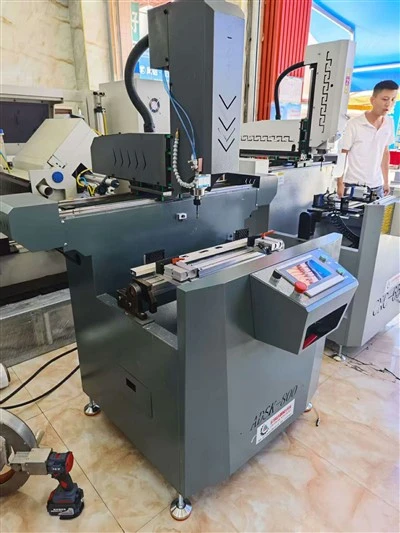
So, to wrap this up, let’s keep it simple. The materials a cutting machine can cut depend on three things: the machine’s power, blade type, and your project’s needs. For most people—hobbyists, small business owners, crafters—our line of cutting machines handles vinyl, paper, cardstock, fabric (thin to medium), rigid plastic, foam board, and thin metal. For heavy-duty industrial jobs, we’ve got models that handle thicker metal, foam, and even specialized materials. The only things we don’t recommend cutting with our precision machines are ultra-hard materials, super delicate fabrics without backing, and thick metal over 1/4 inch (unless you go industrial).
CNC Milling Machine If you’re still unsure whether our machine can handle your specific materials, don’t overthink it—just reach out. I get it, it’s easy to second-guess a big purchase, but that’s what I’m here for. As a cutting machine supplier, my goal isn’t to sell you the most expensive thing; it’s to sell you the right machine that fits your projects, saves you time and money, and works with the materials you actually use. Whether you’re making custom stickers for your small business, fabric patterns for apparel, or metal signs for a local shop, we’ve got a solution that works. Don’t waste another day struggling with inconsistent cuts or outsourcing jobs you could do in-house—let’s chat about your needs, and we can find the perfect cutting machine for you.
References
- Smith, J. (2022). Precision Cutting Technologies for Small Manufacturing Businesses. Industrial Tooling Journal.
- Lee, S. (2023). Material Compatibility in Desktop Cutting Machines. Craft & Manufacturing Monthly.
- Patel, R. (2021). Heavy-Duty Cutting Solutions for Metal and Composite Materials. Industrial Fabrication Review.
- Garcia, M. (2022). Best Practices for Cutting Fabrics with Computer-Controlled Machines. Apparel Tech Quarterly.
Kanghong Building Materials Technology Sdn. Bhd.
As one of the most professional cutting machine manufacturers and suppliers in China, we have world-leading production equipment and strong manufacturing capabilities. Please feel free to wholesale advanced cutting machine for sale here from our factory. Customized orders are welcome.
Address: No.601, Block 2, Xinlianchang Industrial Park, No.2 Taixing Second Road, Taiping South Industrial Zone, Dali Town, Nanhai District, Foshan City
E-mail: 631871392@qq.com
WebSite: https://www.kanghong-building.com/
