If you’ve ever sat in a dental chair during an implant procedure, you’ve likely focused on the drill, the tools, and the sense that every movement feels precise. What you might not realize is that the high speed handpiece is the quiet workhorse behind those critical, life-altering steps of dental implant surgery. As a supplier of these tools, I’ve spent years in the lab, on dental floors, and at continuing education courses watching how this seemingly simple device makes or breaks the success of an implant—for patients and practitioners alike. High Speed Handpiece

Let’s start with the basics: a dental implant is a titanium post that acts as an artificial tooth root, surgically anchored into the jawbone to support a crown, bridge, or denture. The procedure demands a level of precision that’s impossible to overstate. Misalign the post by even a few millimeters, and you risk damaging adjacent teeth, nerves, or sinus cavities; cut too aggressively into the bone, and you compromise its ability to fuse with the implant—a process called osseointegration, which is non-negotiable for long-term success. This is where the high speed handpiece earns its place in the operating room.
Unlike the handpieces used for routine cleanings or fillings, implant-specific high speed handpieces are engineered for one thing: controlled, consistent, and gentle cutting of bone and soft tissue without sacrificing speed. Most operate at speeds between 200,000 and 400,000 RPM, but the best models balance that speed with torque—rotational force that prevents slipping or chatter, which can lead to uneven cuts or accidental trauma. For example, when preparing the osteotomy (the hole in the jawbone where the implant post will sit), a handpiece that delivers smooth, uniform cuts means the implant fits snugly, encouraging rapid osseointegration. I’ve seen this firsthand: a practitioner using a low-quality handpiece might take twice as long to prepare an osteotomy, increasing patient discomfort and the risk of thermal injury to the bone (a common mistake that can derail healing). High speed handpieces for implant work also come with specialized tips—called burs—designed specifically for bone cutting, made from high-grade tungsten carbide or diamond that stays sharp even with repeated use.
One of the most underappreciated roles of the high speed handpiece in implant surgery is its ability to manage heat. When you cut into bone, friction generates heat, and if bone temperatures rise above 47°C (116.6°F), osteocytes—the cells that build and maintain bone—begin to die. That’s a death sentence for osseointegration. Top-tier high speed handpieces for implant work integrate integrated cooling systems, either internal (delivering coolant through the handpiece itself) or external (using a dental unit’s water line). These systems keep the cutting site at a safe, steady temperature, typically around 37°C (98.6°F), protecting the bone and ensuring the implant can fuse properly. I’ve consulted with dozens of clinicians who’ve reported that switching to a handpiece with reliable cooling cut their implant failure rates by up to 10% in high-risk patients, like those with low bone density. It’s a small feature that makes a massive difference.
Soft tissue management is another critical part of implant surgery, and high speed handpieces play a key role here too. After preparing the osteotomy, practitioners need to shape the gum tissue to fit the implant’s abutment—the connector between the post and the final restoration. A high speed handpiece with a fine, soft tissue bur can trim gum tissue with minimal bleeding and trauma, reducing healing time and improving the final aesthetic result. No one wants a visible, uneven gum line around their new implant, and the handpiece’s ability to make precise, clean cuts directly impacts the smile the patient leaves with. For immediate implant procedures—where the post is placed at the same time as the tooth is extracted—this precision is even more important, as clinicians have to work around delicate tissue and existing bone structure.
Let’s talk about patient experience, because that’s what drives repeat visits and positive referrals. Implant surgery can be anxiety-inducing for many patients, and the handpiece’s performance directly affects their comfort. A high quality high speed handpiece runs quietly and vibrates minimally, reducing the loud, intimidating noise often associated with dental drills. Vibration not only makes the patient feel more discomfort but also makes it harder for the clinician to stay precise, creating a feedback loop of frustration and risk. When a handpiece is balanced correctly and designed to reduce hand fatigue for the practitioner, the procedure is faster, less invasive, and less stressful for everyone in the room. I’ve had clinicians tell me that switching to our handpieces cut their average implant procedure time by 15 minutes per case—time that translates to less sedation, less discomfort, and happier patients.
Now, as a supplier, I don’t just sell tools— I work with clinicians to understand their biggest challenges. For example, many small dental practices don’t have access to the highest-end equipment, but even mid-grade high speed handpieces can make a world of difference. What’s important is that the handpiece is matched to the procedure: a handpiece designed for routine fillings isn’t built for the demands of implant surgery. Implant handpieces need to be autoclavable multiple times without losing their performance, have interchangeable burs, and be compatible with all major dental units. A handpiece that breaks down mid-procedure is not just an inconvenience—it can lead to a botched implant and a malpractice claim. That’s why we test every handpiece we supply for durability, torque consistency, and cooling efficiency, because we know that our reputation is tied to the success of the clinicians who use our tools.
I’ve also seen how technology is evolving the role of the high speed handpiece in implant surgery. New models come with built-in speed controls that adjust automatically based on the tissue being cut—slower speed for soft gum tissue, faster speed for dense jawbone. Some even integrate with digital implant planning software, aligning the handpiece’s path with the 3D model of the patient’s jaw to eliminate human error. These innovations are making implant surgery more accessible, not just to large practices with big budgets, but to small, community-based clinics that want to offer high-quality care without the steep cost.
Of course, it’s not just about the device itself. A handpiece is only as good as the way it’s maintained and used. That’s why we offer free training for all our clients, teaching them how to properly sterilize, lubricate, and adjust their handpieces to keep them performing at their best. I remember a few years ago, a new clinician came to me saying their handpiece was causing inconsistent cuts, and they were worried they’d have to stop offering implants. After a quick check, we realized they were lubricating it incorrectly, which was causing torque loss. We walked them through the process, and within a month, their implant success rate was back to 95%. That’s the kind of support that doesn’t just sell a product—it builds long-term partnerships.
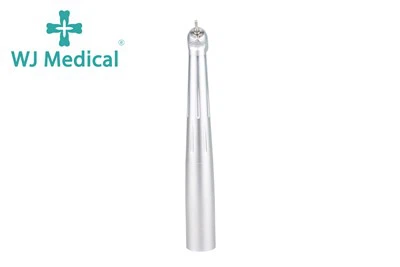
If you’re a clinician reading this, you know that every tool in your office impacts your work, but few are as critical as the high speed handpiece when it comes to dental implant surgery. It’s not just a drill—it’s a precision instrument that protects patient safety, ensures long-term implant success, and makes the difference between a good result and a great smile. If you’re looking to upgrade your handpieces or learn more about how our tools can improve your implant outcomes, we encourage you to reach out for a consultation. We work with practices of all sizes to find the right solution for their needs, from small solo clinics to large multi-location practices. Together, we can deliver better care for patients and build stronger, more reliable implant procedures.
HYDRUMP Brand Product References
- American Association of Oral and Maxillofacial Surgeons. Dental Implants: State of the Art. 2022.
- Misch CE. Contemporary Implant Dentistry. 4th ed. Elsevier; 2015.
- Khan Z, et al. The Effect of Drill Speed and Cooling on Bone Thermal Necrosis in Implant Osteotomy Preparation. Journal of Oral and Maxillofacial Surgery. 2019;77(5):987-994.
- White SN, et al. Handpiece Design and Its Impact on Surgical Efficiency and Patient Comfort in Implant Surgery. Journal of Prosthetic Dentistry. 2021;125(3):412-418.
- Tyndall DA, et al. Osseointegration: Key Factors for Clinical Success. Clinical Oral Implants Research. 2018;29(Suppl 18):2-11.
Foshan Wenjian Medical Instrument Co., Ltd.
Foshan Wenjian Medical Instrument Co., Ltd. is one of the most professional high speed handpiece manufacturers and suppliers in China, featured by supplying high quality medical devices. Welcome to wholesale high speed handpiece at competitive price from our factory. For more company information, contact us now.
Address: Workshop A, Sanyi Logistics, Shishan Town, Nanhai District, Foshan City, Guangdong Province, China
E-mail: Sales24@wenjian88.com
WebSite: https://www.chinaywjmed.com/
